
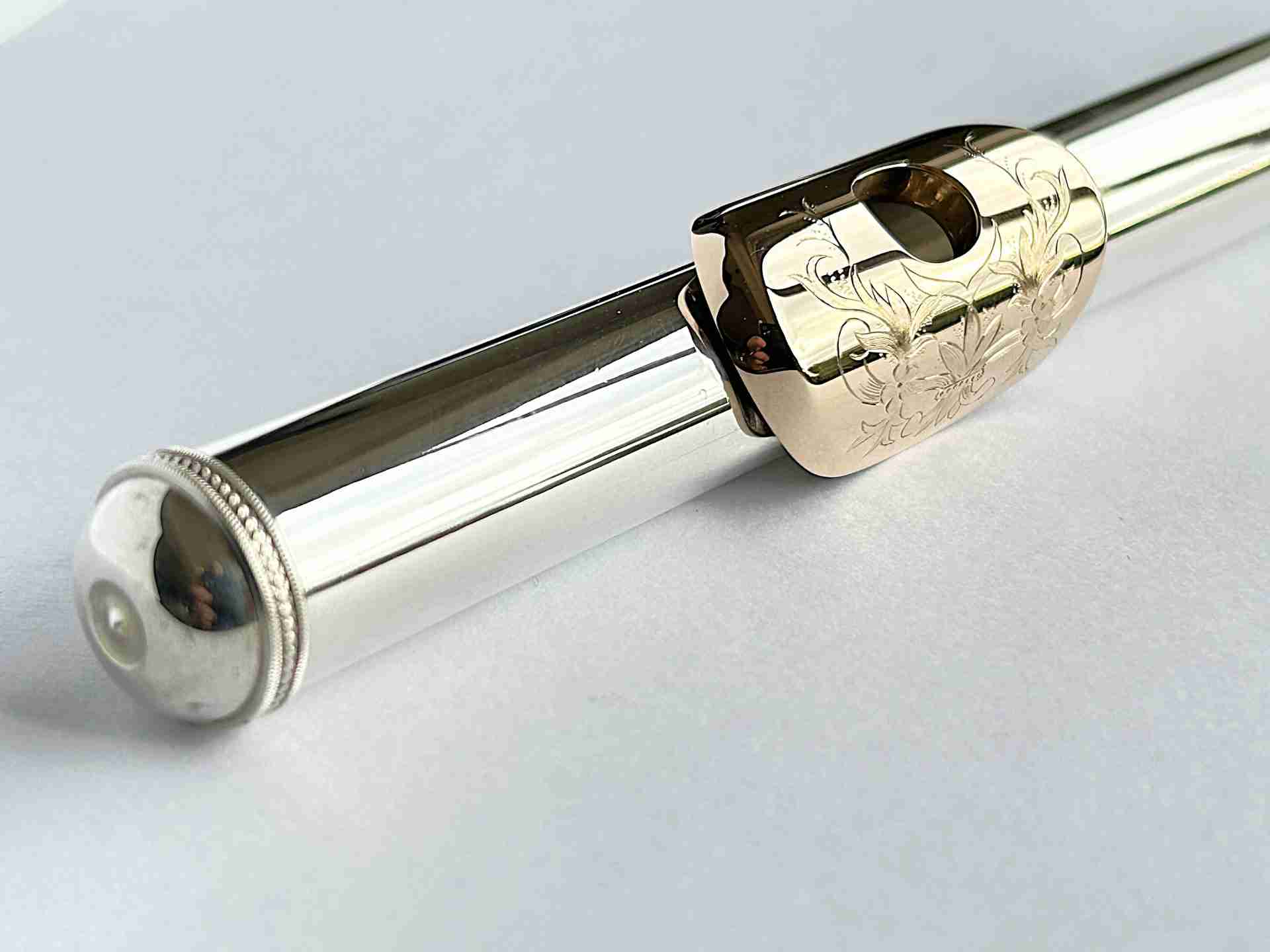
The Pros and Cons of Changing a Flute Headjoint
For many flutists, upgrading equipment is part of the journey toward refining tone, response, and musical expression. While purchasing a completely new instrument can be expensive, changing the flute headjoint is often considered a more targeted and cost-effective upgrade. Because the headjoint is the part of the flute where the sound is initiated, even subtle design differences can significantly affect tone and playability.
However, like any equipment change, replacing a headjoint has both advantages and drawbacks. Understanding these pros and cons can help flutists decide whether a headjoint upgrade is the right investment.
What Is a Flute Headjoint?
The headjoint is the top section of the flute where the player blows across the embouchure hole to create sound. It includes the lip plate, riser, crown, and tubing. The design and craftsmanship of this component influence:
- Tone color
- Response and articulation
- Projection and resonance
- Ease of playing across registers
Because so much of the flute’s sound originates here, many players experiment with different headjoints to enhance their instrument’s performance. Here are some examples of used flute headjoints for sale
Pros of Changing a Flute Headjoint
1. Improved Tone Quality
One of the most common reasons players change headjoints is to improve tone. Different headjoint cuts, materials, and wall thicknesses can create noticeable changes in sound.
A well-matched headjoint can produce:
- A fuller, richer tone
- Greater depth and warmth
- Improved resonance across the instrument
For advancing players, this tonal improvement can make a significant difference in ensemble and solo performance.
2. Better Response and Flexibility
A new headjoint may respond more quickly and easily than the original one that came with the flute.
Benefits may include:
- Faster articulation
- Easier high notes
- Smoother transitions between registers
Many flutists find that a better-designed headjoint requires less air effort while producing a more responsive sound.
3. Customization for Playing Style.
Headjoints vary widely in:
- Embouchure hole shape and size
- Riser height
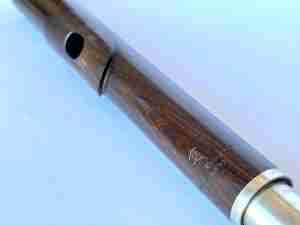
- Tube material (silver, gold, platinum, wood etc.)
This allows players to select a headjoint that suits their embouchure, air speed, and tonal preferences. Customization can help players achieve the sound concept they are aiming for.
4. More Affordable Than Buying a New Flute
A professional flute can cost thousands of pounds or dollars. In contrast, replacing a headjoint is often significantly cheaper while still delivering a noticeable improvement in performance.
For intermediate and advancing students, this can be a practical upgrade path.
Cons of Changing a Flute Headjoint
1. Compatibility Issues
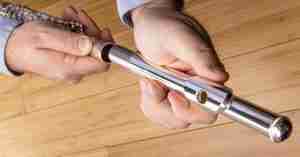
Not every headjoint works well with every flute body. Even high-quality headjoints may perform poorly if the taper or fit is not compatible with the instrument.
Possible problems include:
- Poor intonation
- Unbalanced tone across registers
- Mechanical fit issues
Testing headjoints before purchasing is essential. Speak to a professional first – London Flutes
2. It Won’t Fix Fundamental Technique Issues
While a new headjoint can enhance tone and response, it cannot replace good playing technique.
If problems such as poor breath support, unstable embouchure, or intonation issues exist, a new headjoint will not solve them. Practice and instruction remain the most important factors in sound development.
3. Cost Can Still Be Significant

Although cheaper than a new flute, professional headjoints can still be expensive. Handmade models made from precious metals can cost several thousand pounds.
For beginners or casual players, the improvement may not justify the investment.
4. Adjustment Period
Switching headjoints often requires players to adjust their embouchure and air direction. At first, the instrument may feel unfamiliar or even more difficult to play.
It can take time and practice before the benefits of the new headjoint become apparent.
Is Changing a Headjoint Worth It?

Whether upgrading a flute headjoint is worthwhile depends on the player’s goals, experience level, and budget.
A headjoint upgrade may be worth considering if:
- You are an intermediate or advanced flutist
- You want a richer or more projecting tone
- Your current flute body is good quality but the headjoint feels limiting
- You want the option of an alternative sound sometimes (For example, the mellow sound of wood for Folk music or Baroque)
However, for beginners, focusing on technique and musical development is usually more beneficial than equipment upgrades.
Final Thoughts
Changing a flute headjoint can dramatically influence tone, response, and overall playability. For many flutists, it is one of the most effective ways to upgrade their instrument without purchasing an entirely new flute. Sometimes it is not changing the headjoint but just ‘adding’ another option to swap to.
That said, it is important to test multiple headjoints, consult teachers or flute specialists, and ensure the upgrade truly complements both the player and the instrument.
With the right match, a new headjoint can unlock greater expressive potential and elevate a flutist’s sound.